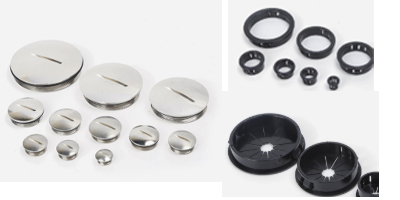
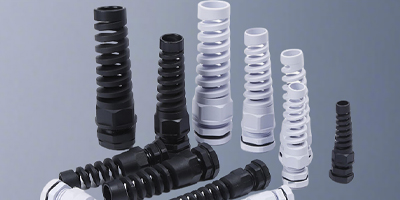
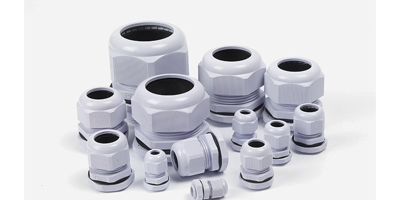
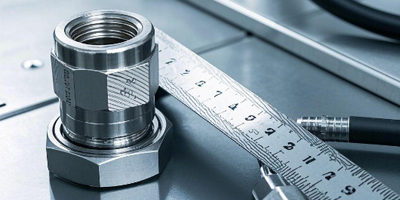
What is Nylon Cable Glands? /
08 Jul 2025 by CHUANGDA

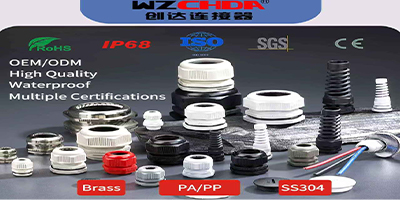
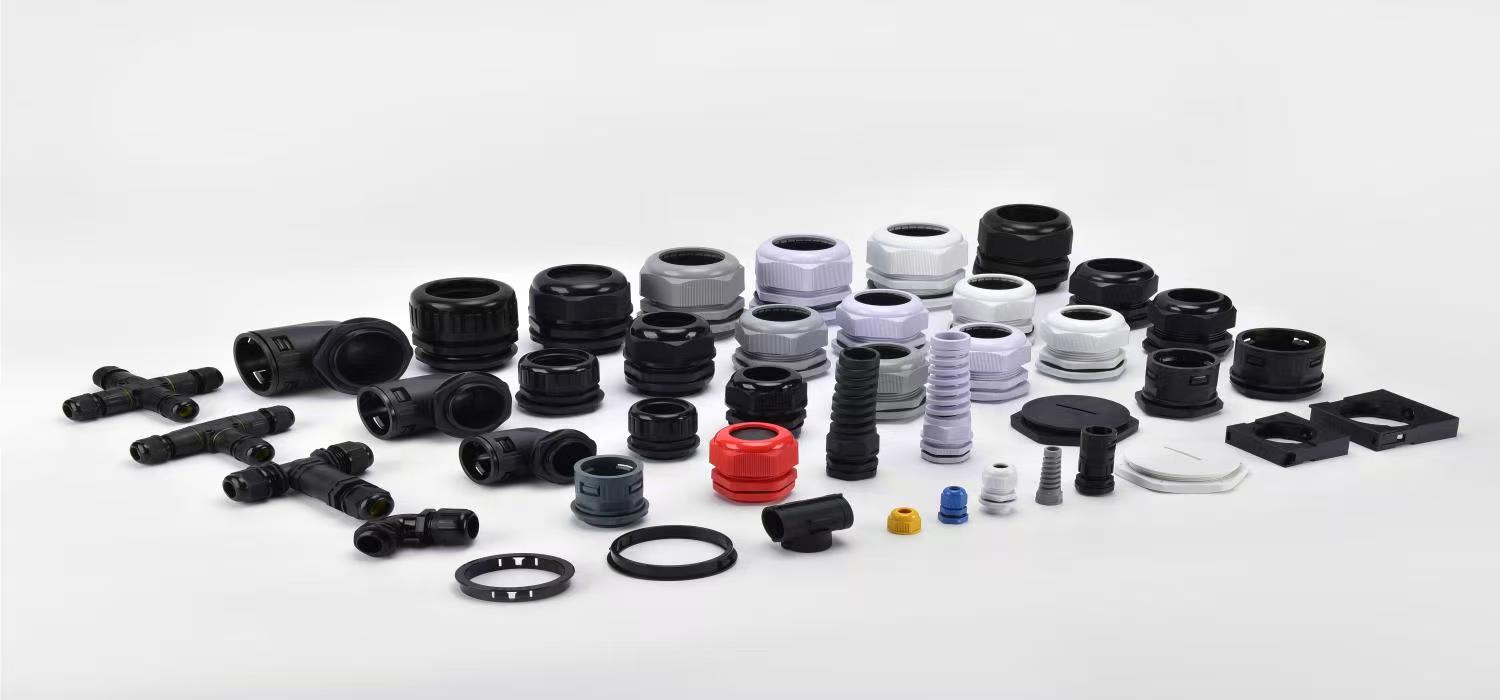
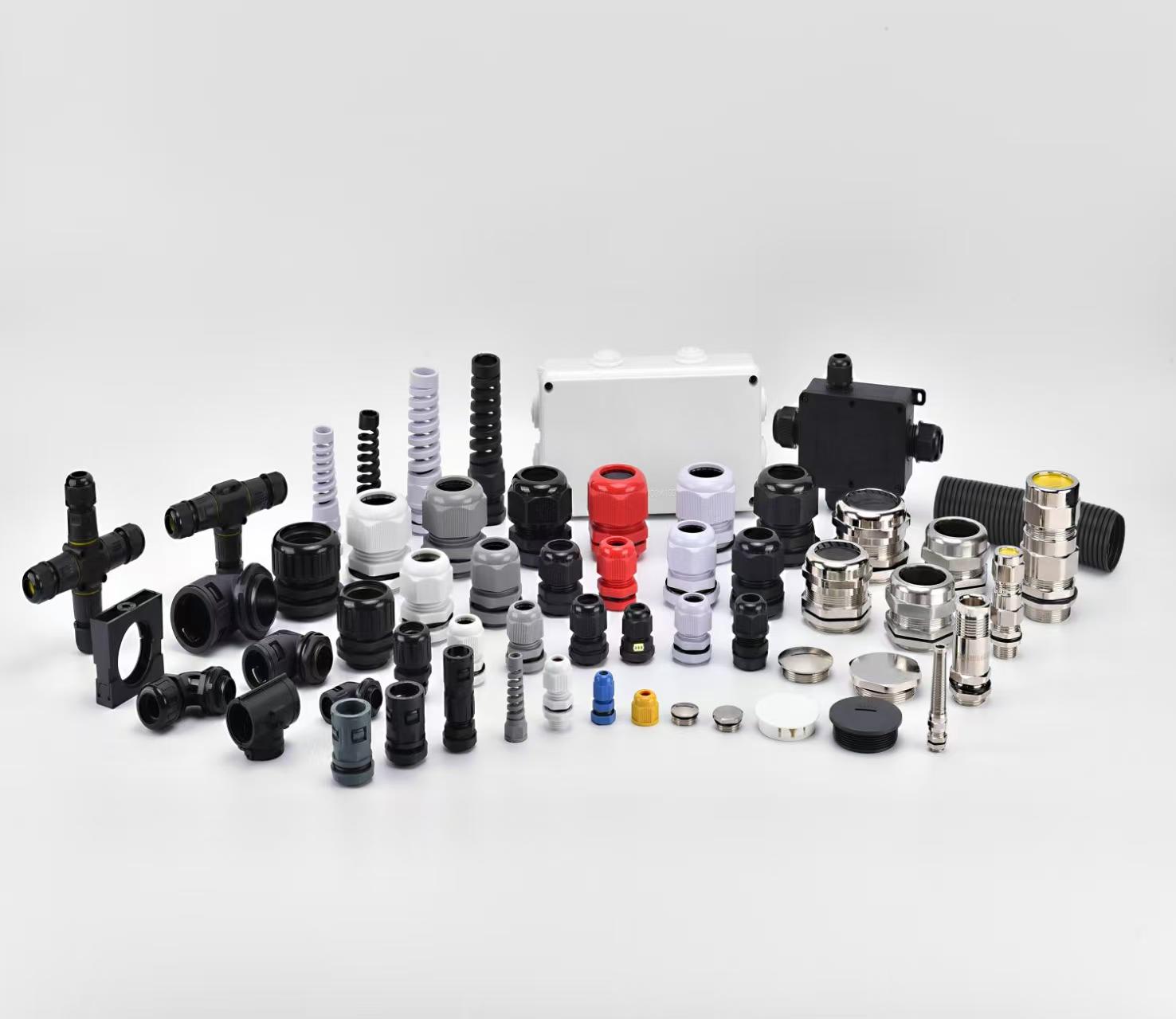
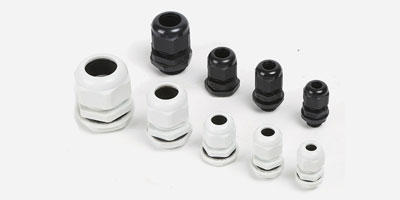
Nylon cable glands are mechanical devices designed to secure and seal electrical cables where they enter enclosures, equipment, or junction boxes. Made primarily from polyamide (nylon) — often reinforced for durability — they perform three key roles:

• Strain relief: Prevent cable damage from tension or vibration.
• Environmental sealing: Block dust, water, and chemicals.
• Electrical insulation: Reduce short-circuit risks.

Typical components include a threaded body, compression ring, and rubber/silicone seal. Their adjustable design accommodates various cable diameters, while nylon’s properties (corrosion resistance, lightweight, high dielectric strength) make them ideal for diverse settings. They operate reliably in temperatures ranging from -40°C to 100°C (depending on grade), outperforming metal glands in rust-prone or conductive environments.


Key Applications: Industries & Use Cases


Nylon cable glands excel across sectors due to their versatility:

• Industrial Automation: Secure cables in control panels and machinery. IP68-rated models (dust-tight, water-resistant to 10m) thrive in factory washdown environments.
• Building Infrastructure: Simplifies electrical wiring in commercial buildings and enables safer drywall/ceiling installations using non-conductive properties.
• Marine/Offshore: Resist saltwater corrosion, critical for shipboard and coastal equipment.
• Renewable Energy: UV-stable designs endure outdoor exposure in solar panels and wind turbines.

Note: Match thread sizes (e.g., M-series, PG-series) to enclosures and ensure compatibility with cable types (armored, unarmored, braided).


Installation & Maintenance Tips


Installation:
Hand-tighten the gland, then add a quarter-turn with a wrench to avoid over-tightening (which can deform nylon or damage seals) or under-tightening (compromising seals).

Maintenance:
Inspect periodically in harsh environments for wear (cracks, hardened seals, loose threads).
Replace worn glands with certified models (e.g., IEC 60423 for general use, ATEX for explosive areas) to maintain safety compliance.


Summary

Nylon cable glands balance functionality, cost, and durability, making them essential for reliable, safe cable installations in industrial, commercial, and outdoor settings. Proper selection and upkeep directly impact system longevity.

Cable joint Types and Customs Codes in the UK /Cable joint Types and Customs Codes in the UK
03 Jun 2025 by CHUANGDA

Cable glands are key components in power systems and are used to provide reliable and safe connections between power cables. In the UK, cable glands are widely used in utilities, industry and commercial sectors. Understanding the types, sizes and international customs classifications of cable glands is essential for importers, exporters and engineers.


UK Cable Gland Types


Cable glands in the UK are usually classified according to voltage level and installation method.

• Low Voltage (LV) Cable Gland (up to 1KV)
Commonly used in home and commercial networks, including heat shrink, cold shrink and resin types.

• Medium Voltage (MV) Cable Gland (1KV-36KV)
Used in industrial and utility applications, these glands usually use heat shrink or preformed slip-on technology.

• High Voltage Cable Gland (above 36KV)
These are dedicated products for high voltage transmission systems and are usually customized and tested to specific standards.

• Heat Shrink Gland
Made of heat shrink tubing, it seals and insulates the connection. Widely used in low and medium voltage applications.

• Cold Shrink Fittings
Pre-expanded silicone rubber tubing that shrinks into place without the need for heat. Ideal for locations with limited access and environments susceptible to moisture.

• Resin Cast Fittings
Filled with a two-component resin compound, providing strong mechanical and moisture protection. Ideal for underground installation.


Sizes and Specifications for UK Cable Gland


The size of cable fittings in the UK is generally defined by the cable core size (cross-sectional area in mm²), the number of cores and the applicable voltage level. Some common examples include:

• Single core 25mm2 low voltage fitting.
• Three core 95mm2 low voltage heat shrink fitting.
• Three core 185mm2 medium voltage cold shrink fitting.
• Single core 630mm2 high voltage fitting.

Standards such as BS7888, BS EN50393 and IEC 60502 may govern their design and testing.


HS Codes (Customs Codes) for UK Cable Glands


In the international trade of cable fittings, Harmonized System (HS) codes are used to classify goods for customs clearance and tax purposes. In the UK and many countries, cable glands are often classified as:

• HS Code: 8547.20
Plastic insulating fittings for motors, appliances or apparatus. This category includes connectors, sleeves and similar articles used in wiring systems.

Other product details or material composition (such as resin content or metal parts) may slightly affect the classification. It is recommended to confirm the final HS code with the customs broker or refer to the UK trade tariff.

Why Cable Gland are Used? /Why Cable Gland are Used?
29 May 2025 by CHUANGDA

In today’s rapidly developing industrial world,the demand for safe,reliable,and durable electrical connections is higher than ever.One essential component that often goes unnoticed-but plays a critical role-is the cable gland(also known as cable connector).At Wenzhou Chuangda Connector.,Ltd.We specialize in manufacturing waterproof cable glands to ensure the highest protection and performance for your electrical system.

Why Are Cable Glands are important?

Here are some key reasons why cable glands are essential

  1. Waterproof Protection

In harsh environments where moisture and water expose are concern,waterproof cable glands provide a tight seal to cable glands provide a tight seal to prevent water from entering electrical enclosures.This is crucial for preventing short circuits,corrosion,and damage to equipment.


  1. Mechanical Strain Relief

Cables connected to machines and devices are often subjected to movement,vibration,water,or tension.A cable gland provide strain relief,ensuring that no endue force is transmitted to the internal terminals or connectors.


  1. Dust and Dirt Resistance

For equipment used in dusty or outdoor environments,cable glands offer an effective barrier against dust and other contaminants.This helps maintain the internal integrity of sensitive electronics.


  1. Fire and Explosion Safety

In hazardous areas such as petrochemical or mining industries,special cable glands can prevent the ignition of flammable gases or dust.They are part of explosion-proof systems that protect both personal and infrastructure.


  1. Maintaining Electrical Performance

A loose or exposed cable can lead to signal loss,electromagnetic interference,or even electrical failure.Cable glands secure the cable and maintain consistent and stable electrical performance.


  1. Compliance with Safety Standards

Using the right type of cable gland ensures compliance with international safety standards and industry regulations,helping avoid legal or operational risks.


Choose the Right Cable Gland with Chuangda

At Wenzhou Chuangda Connector Co.,Ltd,we offer a wide range of IP68-rated waterproof cable glands,available in Nylon,Brass and Stainless Steel materials.Our products are engineered for reliability,durability,and high resistance to environmental factors.


Whether you are building a control panel-installing outdoor lighting,or developing a solar power system,choosing the right cable gland is just as important as choosing the right cables.


Material Comparison Table - Waterproof Cable Glands /
22 May 2025 by CHUANGDA

As a leading manufacturer of waterproof cable glands, we are committed to helping customers choose the right material for their specific applications. We offer cable glands made of the following main materials: Polypropylene (PP), Nylon (PA66), Environmentally friendly materials, Environmentally friendly flame retardant materials. Below is a detailed description of the differences between them.

Material Key Features Water Resistance Typical Applications Advantages
Polypropylene (PP) Lightweight, chemically resistant, economical Good (general purpose use) LED lighting, home appliances, low-voltage equipment Cost-effective for light-duty applications
Nylon (PA66) High strength, impact and wear resistant, good chemical resistance Excellent Industrial machinery, automation, electric vehicles, equipment control panels Durable, high-performance in tough environments
Environmentally Friendly Material Halogen-free, RoHS/REACH compliant, non-toxic Very Good Green buildings, public facilities, eco-sensitive industries Eco-safe, suitable for sustainable projects
Environmentally Friendly Flame - Retardant Material Halogen-free, UL94-V0 flame-retardant, self-extinguishing High with flame protection Rail systems, smart buildings, power distribution, fire-risk zones Combines environmental safety with fire protection


Conclusion

Choosing the right material for waterproof cable glands is critical to ensuring optimal performance, safety, and compliance. Each material - whether it's cost-effective polypropylene (PP), durable nylon, or environmentally friendly flame-retardant compounds - offers unique benefits for specific environments and applications. We are committed to providing customized solutions that meet the technical and environmental needs of our customers around the world.


 If you have any questions or want to get more information, please contact us.

Double Compression Brass Cable Gland: A Comprehensive Guide to Electrical Conduit Protection /Double Compression Brass Cable Gland: A Comprehensive Guide to Electrical Conduit Protection
17 May 2025 by CHUANGDA

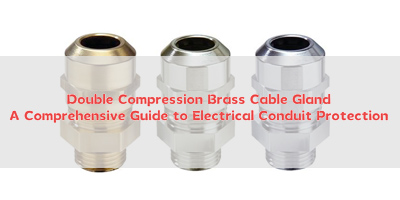
A double compression brass cable gland is a mechanical device designed to secure and protect electrical cables where they enter enclosures, machinery, or equipment. Engineered with two concentric sealing rings (the "double compression" mechanism), it ensures watertight, dustproof, and vibration-resistant connections, making it a critical component in industrial, marine, and hazardous environment applications. This article outlines its structure, functionality, material properties, and real-world uses, aligned with international standards and engineering best practices.


1. Structure and Core Components

A typical double compression brass cable gland consists of:
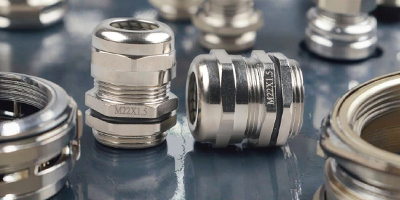
● Brass Body: The main housing, usually made of lead-free brass (e.g., EN 12164 CW617N or ASTM B16 C36000), providing high tensile strength and corrosion resistance.
● Inner Seal Ring: A rubber or elastomer ring that compresses against the cable sheath to prevent moisture and dust ingress.
● Outer Seal Ring: A second elastomer ring that creates a tight seal between the gland and the enclosure’s entry point.
● Locknut: Secures the gland to the panel or housing, often with a hexagonal shape for easy installation.
● Gland Nut: Tightens the inner and outer seals by compressing them as it rotates, creating the dual-layer barrier.

The "double compression" design differentiates it from single-seal glands, offering superior protection against harsh environmental factors like water jets, extreme temperatures, and mechanical stress.


2. Material Properties of Brass

Brass is the preferred material for cable glands due to:
● Corrosion Resistance: Brass alloys (typically 60–70% copper, 30–40% zinc) resist oxidation and chemical exposure, making them suitable for coastal, marine, or industrial settings with high humidity.
● Mechanical Strength: Capable of withstanding high torque during installation without cracking, ensuring a secure fit over time.
● Thermal and Electrical Conductivity: Useful in applications requiring heat dissipation or grounding compatibility.
● Machinability: Easily formed into precise threads and shapes for standardized fittings (e.g., metric M20, M25 or NPT 3/4", 1").


3. Functional Advantages

● IP Ratings: Double compression glands often achieve IP68 (complete dust tightness, immersion up to 1 meter deep) or IP66 (protection against high-pressure water jets), meeting EN 60529 standards.
● Vibration Resistance: The dual seals absorb mechanical shocks, preventing cable movement that could cause insulation damage or loose connections.
● Cable Retention: High pull-out resistance (tested to IEC 62444) ensures cables remain securely fastened under tension.
● Hazardous Environment Compliance: Suitable for Zone 1/21 or Zone 2/22 explosive atmospheres when certified to ATEX (EU) or IECEx (international) standards, preventing sparks from escaping the enclosure.


4. Applications Across Industries

Double compression brass cable glands are widely used in:
● Industrial Automation: Securing cables in PLC cabinets, motor drives, and robotics exposed to oil, grease, or coolant.
● Marine and Offshore: Protecting wiring in shipboard control rooms, offshore platforms, and submersible equipment (resistant to saltwater corrosion).
● Renewable Energy: Wind turbines (resistant to vibration), solar inverters (weatherproof), and hydroelectric systems.
● Hazardous Areas: Chemical plants, refineries, and mines where explosive gases or dust require flameproof enclosures (e.g., NEMA 7/9 ratings).

Construction and Infrastructure: Elevators, tunnel lighting, and outdoor signage exposed to rain, snow, or temperature fluctuations.


5. Installation and Best Practices

1. Cable Preparation: Strip the outer sheath to expose the required conductor length, ensuring no fraying.
2. Gland Assembly: Insert the cable through the gland nut, outer seal, body, and inner seal in sequence.
3. Sealing Adjustment: Tighten the gland nut until both seals compress evenly (follow manufacturer torque specs, e.g., 50–80 Nm for M25 glands).
4. Grounding: For metal-enclosed systems, ensure the brass body is electrically bonded to the enclosure for static discharge or fault current protection.
5. Testing: Verify IP rating with a water spray test (IP66) or submersion (IP68) after installation.


6. Standards and Certifications

Key international standards for double compression brass cable glands include:
● EN 60529 (IP Ratings): Defines ingress protection levels for dust and water.
● ATEX Directive 2014/34/EU: Certifies suitability for explosive atmospheres (e.g., II 2G Ex e IIC T6).
● IEC 62444: Specifies cable retention and pull-out force requirements.
● NEMA 250: US standard for enclosure types (e.g., NEMA 4X for waterproof, corrosion-resistant glands).


7. Maintenance and Longevity

● Regular Inspection: Check for signs of wear (e.g., cracked seals, loose locknuts) during routine maintenance.
● Seal Replacement: Replace elastomer rings every 5–10 years or after exposure to aggressive chemicals.
● Lubrication: Apply anti-seize compound to threads in high-temperature or salt-laden environments to prevent galling.


8. Choosing the Right Gland

Key selection criteria include:

● Cable Diameter: Match the gland’s nominal size to the cable outer diameter (e.g., M20 for 8–14mm cables).
● Environment: Prioritize IP68 for submersion, ATEX for hazardous zones, or UV-resistant seals for outdoor use.
● Mounting Thread: Ensure compatibility with the enclosure (metric M, PG, or NPT threads).
● Conductor Type: Some glands accommodate armored cables (with an additional armor clamp) or multi-core cables.


Conclusion

Double compression brass cable glands are essential for ensuring reliable, safe electrical connections in demanding environments. Their dual-seal design, combined with brass’s robust material properties, makes them a trusted choice for industries where failure is not an option. By adhering to international standards and best practices, engineers and installers can leverage these components to enhance system durability and compliance.


tag: #Brass Cable Gland

Nylon Bellow Pipe: A Versatile Solution in Electrical Installations /Nylon Bellow Pipe
10 Apr 2025 by CHUANGDA

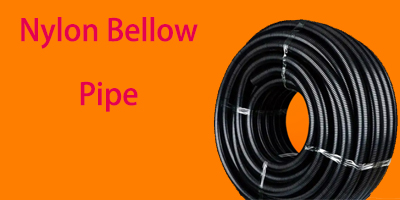
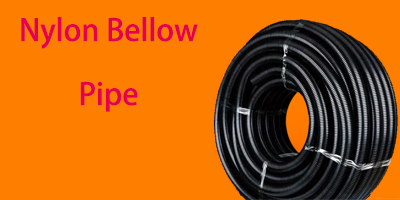
Nylon bellow pipes are essential components in various electrical and industrial setups. They are widely used for protecting cables from mechanical stress, abrasion, and environmental elements.​


Ⅰ.Nylon Bellow Pipes and Cable Glands: A Perfect Pair​
In electrical systems, the combination of nylon bellow pipes and cable glands is crucial. Cable glands, which are devices used to terminate cables, need to be paired with suitable protective components like nylon bellow pipes. For instance, when running cables through areas where they might be exposed to physical damage, a nylon bellow pipe can be installed around the cable, and then a cable gland is used to secure the cable at the entry and exit points. This ensures a secure connection and protection against environmental factors.​
Ⅱ.Watertight and Waterproof Cable Glands in Conjunction with Nylon Bellow Pipes​
In environments where water ingress is a concern, such as outdoor electrical installations or in areas with high humidity, watertight and waterproof cable glands play a vital role. These specialized cable glands, designed to prevent water from entering the cable system, work in harmony with nylon bellow pipes. The nylon bellow pipe provides an additional layer of protection against water splashing or moisture, while the watertight or waterproof cable gland ensures that the connection points are completely sealed. For example, in a marina where electrical connections powering boats are installed, nylon bellow pipes protect the cables from saltwater splashes, and waterproof cable glands safeguard the cable terminations.​
Ⅲ.The Importance of Cable Gland Size Chart when Using Nylon Bellow Pipes​
When integrating nylon bellow pipes with cable glands, referring to a cable gland size chart is essential. The size of the cable gland must be appropriate for the diameter of the cable as well as the outer diameter of the nylon bellow pipe. A proper fit ensures that the cable gland can effectively clamp the cable and the nylon bellow pipe, providing a secure and tight connection. If the cable gland is too small, it may not be able to accommodate the cable and the pipe, leading to an insecure connection. On the other hand, if it's too large, there could be gaps that allow moisture or contaminants to enter. For example, in a large - scale industrial project where multiple cables of different sizes are protected by nylon bellow pipes, a detailed cable gland size chart helps in accurately selecting the right - sized cable glands for each installation.​
In conclusion, nylon bellow pipes, in combination with cable glands, especially watertight and waterproof varieties, and with the proper use of a cable gland size chart, offer a comprehensive solution for protecting cables in diverse electrical and industrial applications.​

How Do Cable Glands Work /Cable Gland Accessories
25 Mar 2025 by CHUANGDA

In the world of electrical and industrial systems, there is a small but critical component that ensures safety, reliability, and organization: the cable gland. At first glance, it might seem like a simple piece of hardware, but its role is indispensable. This article explains, in straightforward terms, how cable glands work, their key components, and why they are so important.

What is a Cable Gland?

A cable gland, also known as a cable connector or cable fitting, is a device designed to securely attach and seal the end of an electrical cable to the equipment it is powering. Think of it as a specialized "lock" where a cable enters an electrical enclosure, panel, or machine. Its primary jobs are to:

1.  Hold the cable firmly in place.
2.  Seal the entry point against dust, dirt, and moisture.
3.  Provide strain relief to prevent the cable from being pulled loose.
4.  Ensure continuity of grounding or earthing in many cases.

Without cable glands, cables could be damaged at the entry point, environmental contaminants could cause short circuits or corrosion, and connections could fail.

The Main Components

To understand how they work, let's break down a typical cable gland into its key parts:

1.  The Body or Housing: This is the main, threaded part that screws into the enclosure wall. It's the foundation of the assembly.
2.  The Seal or Grommet: Usually made of rubber or elastomer, this part creates a tight, waterproof seal around the cable's outer jacket. It compresses against the cable to block out liquids and particles.
3.  The Locknut: Located inside the enclosure, this nut tightens against the inner wall, clamping the gland body securely in place.
4.  The Compression Nut or Seal Ring: This outer nut is tightened down onto the body. As it tightens, it squeezes the seal, causing it to compress radially around the cable.
5.  Armor Clamping (for armored cables): Specialized **cable glands** for metal-clad cables include a conical ring and clamp to grip the cable's metal armor, providing secure grounding and mechanical lock.

How They Work: A Step-by-Step Process

The operation of a cable gland is a clever mechanical process:

Step 1: Preparation and Insertion

The cable is prepared and fed through the disassembled parts in the correct order: first the compression nut, then the seal, and then into the gland body. For armored cables, the armor clamp components are also added.

Step 2: Securing to the Enclosure

The threaded body of the gland is screwed into the pre-drilled hole in the equipment enclosure. The locknut on the inside is then tightened, firmly sandwiching the enclosure wall between the gland body and the locknut. This creates a fixed, rigid point of entry.

Step 3: Creating the Seal

This is the core function. The installer tightens the outer compression nut. This action drives the seal (the rubber grommet) forward into a tapered chamber within the gland body. As the seal is compressed, it deforms inwards, gripping the cable's outer sheath with uniform pressure. This radial compression creates a complete environmental seal around the cable while holding it fast.

Step 4: Additional Functions

Strain Relief: The tight grip of the seal and the body prevents any pushing or pulling forces on the external cable from being transferred to the delicate electrical terminations inside the enclosure.

Grounding (for armored cables): In metal-armored cable applications, the internal clamp grips the wire armor braid or tape, electrically connecting it to the metal gland body and, consequently, to the grounded enclosure. This maintains the protective earth path.

Types and Applications

Cable glands are not one-size-fits-all. They are engineered for specific duties:

  • Material: Made from brass, stainless steel, plastic, or aluminum for different environments (corrosive, hazardous, industrial).
  • Protection Ratings: They are classified by Ingress Protection (IP) or NEMA ratings (e.g., IP68 for dust-tight and prolonged water immersion).
  • Hazardous Areas: Explosion-proof cable glands are designed for oil and gas or chemical plants. They contain any potential internal spark or explosion within the enclosure, preventing it from igniting the surrounding atmosphere.
  • Cable Type: Different designs exist for standard, armored, or braided cables.

Conclusion

In essence, a cable gland works by combining precise mechanical compression with smart sealing geometry. It transforms a vulnerable hole in an electrical box into a protected, secured, and sealed cable entry point. From factory machinery and outdoor lighting to offshore oil rigs, these unsung heroes work silently to ensure our electrical systems are safe, durable, and reliable. By performing the vital tasks of sealing, anchoring, and grounding, cable glands are fundamental to the integrity of an

What is multi cable glands and single cable glands /Anti-bending Cable Glands
08 Mar 2025 by CHUANGDA

Cable glands are critical components for ensuring safe and reliable equipment operation in industrial and engineering settings. Depending on the application, multi cable glands and single cable glands offer distinct advantages. This article explores their functional differences and applications, incorporating anti-bending cable glands and lock nut cable glands.


I. Multi Cable Glands: Integrated Solutions for High-Density Wiring
Definition & Function
Multi cable glands seal multiple cables simultaneously, enabling centralized management through modular designs. For example, WZCHDA’s MG Split-Type Multi Glands feature split structures to accommodate mixed cable sizes, streamlining installations in control cabinets and data center environments.
Key Advantages
Space Efficiency: Reduce installation space by over 50% in high-density scenarios.
Easy Maintenance: Modular designs allow individual cable removal without disrupting seals.
Unified Grounding: Built-in metal components ensure reliable grounding for multiple cables.
Applications
♦Industrial control cabinets, automated production lines
♦Marine power distribution systems
♦Wind turbine internal wiring


II. Single Cable Glands: Precision Sealing for Individual Connections
Definition & Function
Designed for single-cable use, these glands provide targeted protection against water, dust, or explosions. WZCHDA’s stainless steel single glands, certified to IP68, operate reliably at 30m underwater.
Key Advantages
Flexible Compatibility: Support PG, M, NPT, and G threads for various cable diameters.
Material Diversity: Nylon for lightweight mobility; stainless steel for marine corrosion resistance.
Cost-Effective: Avoid unnecessary costs of multi-gland systems.
Applications
♦recision instrument connections
♦Armored cables in oil drilling platforms
♦High-voltage battery harnesses in electric vehicles


III. Anti-Bending Cable Glands: Protection in Dynamic Environments
Definition & Function
These glands prevent cable damage from excessive bending using stress-relief mechanisms. WZCHDA’s twist-resistant anti-bending glands feature spiral structures to withstand 360° rotation.
Key Advantages
Extended Lifespan: Reduce fatigue-related failures by 3x in vibration-prone settings.
Vibration Resistance: Ideal for mobile equipment like construction machinery.
Multi/Single Compatibility: Adapt to both multi- and single-cable configurations.
Applications
Van roof mobile wiring
Hydraulic systems in construction machinery
Flexible connections in robotic joints


IV. Lock Nut Cable Glands: Secure Connections for Stability
Definition & Function
Featuring dual locking mechanisms, these glands ensure long-term thread stability. WZCHDA’s double-lock nut glands resist loosening in outdoor or high-vibration environments.
Key Advantages
Anti-Loosening: Maintain tight seals even under continuous vibration.
Reusability: Allow repeated disassembly for maintenance.
Enhanced Protection: Combine with O-rings to improve IP ratings.
Applications
♦Outdoor lighting fixtures
♦Explosion-proof connections in chemical plants
♦Tower wiring for offshore wind turbines
V. Selection Guide: Choosing the Right Cable Gland

Scenario Recommended Product Key Features
High-density wiring Multi cable glands Space-saving, centralized control
Individual precision seals Single cable glands Flexible compatibility, diverse materials
Vibration/movement Vibration/movement Stress relief, twist resistance
Long-term stability Lock nut cable glands Anti-loosening, reusable design


Conclusion
Selecting the right cable gland depends on cable count, environmental conditions, and maintenance needs. Multi glands excel in dense setups, while single glands offer targeted protection. Anti-bending and lock nut designs address dynamic and stability challenges respectively. Optimize system reliability and reduce costs through informed choices.

What’s the Difference Between Hazardous Area and Marine Cable Gland Materials /What’s the Difference Between Hazardous Area and Marine Cable Gland Materials
08 Mar 2025 by CHUANGDA

The choice of cable gland materials directly impacts system safety and durability in industrial and engineering applications. This Q&A-style guide analyzes material selection for hazardous areas, marine environments, and mobile equipment like van roofs, with a focus on stainless steel cable glands.


Q1: Why Are Specialized Cable Glands Required for Hazardous Areas?
A1:
Explosion Risk: Hazardous areas (e.g., chemical plants, oil fields) contain flammable gases/dust; standard glands may spark and ignite explosions.
Certifications: Must meet ATEX/IECEx standards (e.g., Ex II 2G Ex db IIC T6 Gb) to prevent spark generation.
Grounding: Armored cables require glands with armor clamping to ensure continuous grounding and eliminate static buildup.


Recommended Materials:
Stainless Steel Cable Glands: 316 stainless steel resists corrosion in chemical environments.
All-Copper Core Glands: Excellent conductivity reduces spark risks.


Q2: What Are the Core Requirements for Marine Environment Cable Glands?
A2:
Corrosion Resistance: Withstand saltwater/salt spray (e.g., 1,000-hour salt spray test).
Waterproofing: IP68 rating (30m underwater) and dynamic pressure resistance.
Vibration Resistance: Suitable for ships/offshore platforms.
Installation Tips:
Seaview Cable Gland Installation: Use dual O-rings and thread sealant for airtight connections.


Recommended Materials:
316L Stainless Steel Glands: Superior pitting resistance for long-term underwater use.
Reinforced Nylon Glands: Lightweight for non-armored cables in marine setups.


Q3: What Special Needs Do Mobile Applications Like Van Roofs Pose for Cable Glands?
A3:
Lightweight Design: Reduce vehicle load (e.g., nylon glands are 1/3 the weight of stainless steel).
Compact Fit: Flat-profile stainless steel glands save 50% space on van roofs.
Vibration Resistance: Stress-relief mechanisms prevent cable fatigue during transit.
Innovative Features:
Quick-Lock Mechanism: Install in 5 minutes for frequent adjustments.
Cold-Resistant Materials: Nylon glands tolerate -40°C to +100°C.


Q4: How Do Stainless Steel Cable Glands Perform in Different Scenarios?
A4:
Hazardous Areas: 316 stainless steel glands with armor clamping meet explosion-proof certifications and ensure reliable grounding.
Marine Environments: 316L stainless steel glands pass IP68 testing, feature dual seals, and epoxy resin coatings for corrosion protection.
Van Roofs: Flat-design stainless steel glands with stress-relief systems and epoxy coatings withstand vibration and weather exposure.


Q5: What Are the Future Trends in Cable Gland Technology?
A5:
Smart Glands: Integrated temperature sensors (e.g., WZCHDA Smart Series) monitor cables in real time.
Eco-Friendly Materials: Bio-based PLA nylon glands replace traditional plastics in marine applications.
Modular Solutions: Customizable, quick-install kits for van roofs and other specialized spaces.


Conclusion
Material selection depends on environment: Explosion-proof certifications for hazardous areas, corrosion resistance for marine use, and lightweight durability for mobile setups. Stainless steel glands offer versatility and reliability across scenarios. Proper material and installation choices ensure long-term system safety.

Explosion-Proof to Nylon: Choosing and Installing Cable Glands for Every Environment /Explosion-Proof to Nylon: Choosing & Installing Cable Glands for Every Environment
08 Mar 2025 by CHUANGDA

As the "safety barrier" of industrial electrical systems, the selection and installation of cable glands directly impact equipment protection performance and operational reliability. Based on IEC 62444 standards and industry practices, this article analyzes the selection logic and critical installation steps for three mainstream cable glands (explosion-proof, stainless steel, and nylon) in different environments.


I. Core Selection Principle: Environment Dictates Material
1. Explosion-Proof Cable Gland
•Applications: Explosive gas/dust environments (e.g., petrochemical, coal mining, pharmaceutical workshops).
•Key Requirements:
Must pass explosion-proof certifications (e.g., ATEX, IECEx, such as Ex II 2G Ex db IIC T6 Gb).
Armored cables require matching armored clamping designs to ensure grounding continuity.
Protection rating must reach IP66/IP68 to prevent flammable gas intrusion.
2. Stainless Steel Cable Gland
•Applications: High-humidity, salt-spray, or chemically corrosive environments (e.g., marine engineering, wastewater treatment, food processing).
•Key Requirements:
Material is typically 316 stainless steel, compatible with environmental media (e.g., avoid contact with acidic substances).
Thread types (e.g., M20, PG13.5) must match equipment inlet ports.
May integrate O-ring seals for enhanced waterproofing.
3. Nylon Cable Gland
•Applications: Dry, low-pollution indoor or light-duty environments (e.g., automation equipment, electrical control panels).
•Key Requirements:
Material must meet UL 94 V-0 flame retardancy standards, tolerate temperatures from -40°C to +100°C.
Lightweight design suitable for frequent disassembly.
Non-armored cables require stress-relief structures.


II. Five-Step Selection Process
1. Measure Cable Parameters
•Outer Diameter (OD): Use a micrometer to measure the total cable OD (armored cables require measuring both armor layer OD and inner sheath OD).
•Armor Layer Diameter: For explosion-proof glands, ensure armor layer matches clamping mechanisms.
2. Match Gland Type

Material Recommended Model Example Compatible Cable Types
Explosion-Proof WZCHDA EX-M25 Armored/non-armored explosion-proof cables
Stainless Steel WZCHDA SS-316-PG16 Non-armored stainless steel cables
Nylon WZCHDA NY-PG11     Non-armored PVC/rubber cables


3. Verify Certifications and Standards
•Explosion-Proof Glands: Must meet both explosion-proof certifications (e.g., ATEX) and protection ratings (IP68).
•Stainless Steel Glands: Must comply with ISO 1043-1 (material labeling) and EN 60423 (cable gland standards).
Nylon Glands: Must pass RoHS certification for environmental compliance.
4. Evaluate Environmental Compatibility
•Temperature Range: Nylon glands may embrittle below -40°C; switch to cold-resistant materials.
•Vibration Scenarios: Explosion-proof glands should use anti-vibration pads; prioritize stainless steel.
5. Prepare Installation Tools
•Explosion-Proof Glands: Use a torque wrench (e.g., 25-30 N·m) to ensure armor clamping force.
•Stainless Steel Glands: Apply PTFE tape or thread sealant for enhanced sealing.
•Nylon Glands: Avoid over-tightening to prevent plastic deformation.


III. Critical Installation Steps
1. Explosion-Proof Gland Installation
Strip the cable outer sheath to expose the armor layer (length ≥30mm).
Slide the gland body onto the cable and tighten the armor clamping nut to the specified torque.
Ensure the grounding terminal connects reliably to equipment grounding.
2. Stainless Steel Gland Installation
Clean the equipment inlet port and apply waterproof sealant.
Use a diagonal tightening method for threaded connections to avoid stress concentration.
Test sealing performance: Inject compressed air (0.5 bar) and submerge in water for bubble-free verification.
3. Nylon Gland Installation
Match cable stripping length to the gland inlet hole (typically 10-15mm).
Use a dedicated crimping tool to secure the seal ring and prevent cable loosening.
Inspect seal ring aging every 6 months.


IV. Common Issues and Solutions

Problem Scenario Explosion-Proof Gland Stainless Steel Gland Nylon Gland
Large cable OD variations Choose adjustable armored clamping designs Switch to elastic seal rings Replace with larger OD models
Material failure due to chemical corrosion Upgrade to all-copper core glands Switch to Hastelloy alloy Use PTFE material
Loosening caused by high-frequency vibration Add anti-vibration pads Add anti-vibration pads Use cable ties for auxiliary fixation


V. Industry Trends and Innovations
•Smart Glands: Integrated temperature sensors (e.g., WZCHDA Smart Gland series) enable real-time cable monitoring.
•Eco-Friendly Materials: Bio-based nylon glands (e.g., PLA) are gradually replacing traditional plastics.
•Rapid Installation Design: One-click snap structures (e.g., WZCHDA Quick-Lock series) reduce installation time by 50%.
Conclusion
In conclusion, the selection of cable glands hinges on balancing environmental demands, cable specifications, and functional requirements. Explosion-proof glands safeguard critical systems in hazardous zones, stainless steel variants excel in corrosive settings, and nylon cable glands offer lightweight, cost-effective solutions for dry, low-risk environments. For engineers and installers, prioritizing certified products (e.g., ATEX for explosion-proof, RoHS for nylon) and leveraging manufacturer resources—such as 3D installation guides—ensures optimal performance.
As industries evolve, innovations like bio-based nylon cable glands (e.g., PLA materials) and smart sensors embedded in explosion-proof designs are reshaping standards. By aligning material choice with operational needs, professionals can ensure reliable, long-term system safety while embracing sustainable and intelligent advancements.
References
IEC 62444:2007 Safety Requirements for Cable Glands
ATEX Directive 2014/34/EU Explosive Atmosphere Equipment Directive
UL 50 Standard for Enclosures for Electrical Equipment

how to calculate gland size for cable? /how to calculate gland size for cable?
08 Mar 2025 by CHUANGDA

Learn how to accurately calculate cable gland size for armored and unarmored cables. Includes step-by-step instructions, measurement tips, and industry standards (IEC 62444) to ensure proper sealing and strain relief. To calculate the appropriate gland size for a cable, follow these structured steps:

1. Identify Cable Type and Construction

• Armored vs. Unarmored: Determine if the cable has armor (e.g., steel wire armoring) which requires a gland designed to clamp the armor for grounding and strain relief.
• Number of Cores: Multi-core cables have larger diameters than single-core cables of the same cross-sectional area.
• Material and Environment: Consider environmental factors (corrosion, temperature) to select gland material (brass, stainless steel, plastic).

2. Measure Cable Dimensions

• Outer Diameter (OD): Use calipers to measure the cable’s OD accurately. For armored cables, measure both the overall OD (over armor) and the inner sheath OD (under armor).
• Armor Diameter: If applicable, measure the diameter of the armor layer separately.

3. Select Gland Type

• Armored Glands: Required for armored cables to grip the armor.
• Unarmored Glands: Suitable for standard cables without armor.
• IP Rating and Material: Choose based on environmental needs (e.g., IP68 for waterproofing, stainless steel for corrosive environments).

4. Refer to Manufacturer’s Gland Size Chart

Match the measured cable OD to the gland’s specified range (e.g., a gland rated for 12–18mm OD accommodates a 15mm cable).
For armored cables, ensure compatibility with both the armor and inner sheath diameters.

5. Verify Thread Specifications

• Thread Type: Match the gland’s thread (e.g., M20 metric, PG13.5, NPT) to the equipment’s entry point.
• Thread Size: Larger cables typically require larger thread sizes (e.g., M16 for ≤12mm, M20 for ≤18mm), but consult manufacturer charts.

6. Additional Considerations

• Standards Compliance: Follow industry standards (e.g., IEC 62444) and manufacturer guidelines.
• Sealing and Strain Relief: Ensure the gland provides adequate compression without damaging the cable.

Example Workflow:

• Cable: 3-core armored, 2.5mm² cores, OD = 15mm (over armor).
• Gland Selection: Armored gland with OD range 12–18mm, thread size M20, and material suitable for the environment.

Key Takeaways:

Always use cable glands manufacturer specific sizing charts for accuracy.
Incorrect sizing can lead to sealing failures or cable damage.
When in doubt, consult supplier specifications or technical support.

This method ensures proper sealing, strain relief, and compatibility with both the cable and equipment.

How to choose cable glands of different materials /Cable glands
06 Mar 2025 by CHUANGDA

Cable glands are key components in power systems, and their material selection directly affects the safe and stable operation of the power system.With so many cable glands on the market, here is a comprehensive guide to choosing the right material.

Cable gland material

Heat shrink material:It has the advantages of light weight, easy installation and low cost, but has low mechanical strength and average aging resistance. It is suitable for the connection of low-voltage and small-section cables.

Cold shrink material:It can shrink without heating, is easier to install, and has better sealing and aging resistance, but the cost is relatively high. It is suitable for the connection of medium and low voltage, small and medium cross-section cables.

Metal material:It has excellent mechanical strength and conductive properties, but is heavy, complex to install, and susceptible to corrosion. It is suitable for cable connections in special environments.

Selection Factors

Voltage level:Cables of different voltage levels have different requirements for insulation and electrical performance of connectors. Users should select appropriate connector materials according to the voltage level of the cable.

Usage Environment:Harsh environments such as outdoor, humid, and corrosive environments have higher requirements on the weather resistance, sealing, and corrosion resistance of cable connectors. Users should choose appropriate connector materials according to the use environment.

Cable cross section:The larger the cable cross-section, the higher the requirements for the mechanical strength and conductivity of the connector. Users should select the appropriate connector material based on the cable cross-section.

With the continuous development of new materials and new technologies, the materials of cable glands will also be continuously updated to provide users with more choices.

GET A QUOTE

Talk to Our Expert

INQUIRY NOW
Captcha Code
Talk to Our Expert.
Captcha Code
We value your privacy
We use cookies to provide you with a better online experience, analyse and measure website usage, and assist in our marketing efforts.
Accept All